
Imposter Scams: How to Recognize and Avoid Them
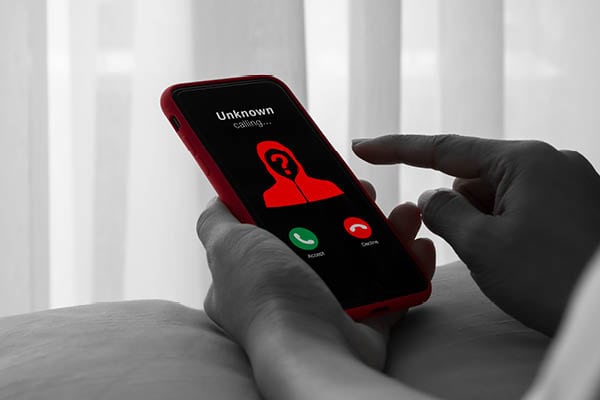
 Imposter scams are one of the most common and dangerous types of fraud today. In these scams, criminals pretend to be someone you trust, like a bank or credit union, a government agency, or even a utility company, to trick you into giving away money or personal information.
These scams can feel very real, which is why it’s important to understand how they work and what warning signs to watch for.
Imposter scams are one of the most common and dangerous types of fraud today. In these scams, criminals pretend to be someone you trust, like a bank or credit union, a government agency, or even a utility company, to trick you into giving away money or personal information.
These scams can feel very real, which is why it’s important to understand how they work and what warning signs to watch for.
What Is an Imposter Scam?
An imposter scam happens when a fraudster contacts you pretending to represent a legitimate organization. Their goal is to create urgency or fear, so you act quickly without verifying the request. They may contact you by:- Phone calls
- Text messages
- Emails
- Social media messages
Common Types of Imposter Scams
Scammers frequently pose as organizations you already trust. Some of the most common examples include: Credit Union or Bank Fraud Departments You may receive a call or message claiming there’s suspicious activity on your account. The scammer may ask you to “verify” your account number, PIN, or login credentials. Important: Financial institutions will never ask for sensitive information, such as your full password or PIN. Government Agencies Scammers may pretend to be from agencies like the IRS, Social Security Administration, or law enforcement. They may claim:- You owe money or taxes
- Your benefits are at risk
- There is a legal issue requiring immediate action
- Ask for remote access to your device
- Request payment to “fix” the problem
- Your service will be shut off immediately
- You must make a payment right away to avoid disruption
Red Flags to Watch For
Imposter scams often share common warning signs. If you notice any of the following, proceed with caution: Urgent or Threatening Language Scammers pressure you to act quickly by creating fear or urgency. “Your account will be locked.” “Your power will be shut off today.” “You must pay immediately.” Requests for Personal or Financial Information Be cautious if someone asks for:- Account numbers
- Online banking credentials
- PINs or verification codes
- Social Security numbers
- Gift cards
- Wire transfers
- Cryptocurrency
- Payment apps
How to Protect Yourself from Imposter Scams
Taking a few simple steps can help you avoid becoming a victim of an imposter scam. Verify Before You Trust If you receive a suspicious call or message, do not respond directly. Instead, contact the organization using a verified phone number or website. Never Share Sensitive Information Your credit union or bank will never ask for:- Your full password
- Your PIN
- Secure verification codes
What to Do If You’re Contacted by a Scammer
If you believe you’ve been targeted by an imposter scam:- Do not provide any information or payment.
- End the conversation immediately.
- Contact your credit union or financial institution directly.
- Monitor your accounts for unusual activity.