
Staying Vigilant Against Identity Theft
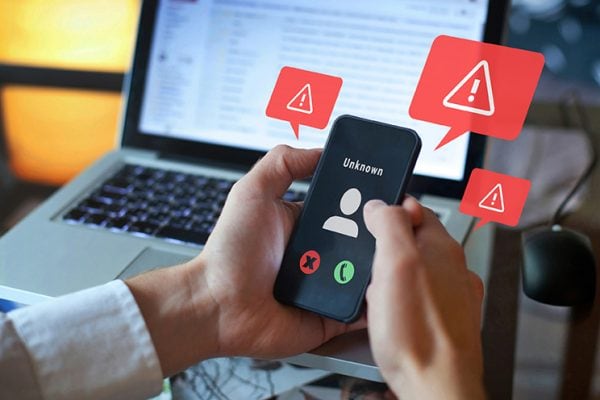

In today’s digital world, your personal information is more valuable than ever and staying vigilant against identity theft is so important. Unfortunately, that also makes it a prime target for identity theft. Having any of your personal information stolen, the consequences can be severe, like drained accounts, damaged credit, and hours spent trying to recover what was lost. The good news is that you do not have to face it alone. Your local credit union is more than just a place to manage your money. It’s also a trusted partner in helping protect your financial information. By staying informed, recognizing the warning signs, and using the tools and support your credit union provides, you can take smart steps to stay ahead of identity theft. In this post, we will explore the different types of scams, how to spot them, and how your credit union can help you stay vigilant against identity theft.
Common scams that can lead to identity theft
Thieves often use everyday scams to trick people into giving up sensitive information. These schemes can be surprisingly convincing, which is why it’s important to know what to watch for when you are staying vigilant against identity theft:
- Phishing emails and texts. One of the more common ways people try to get information, scammers often send emails or texts that look like they’re from your bank, a delivery service, or even the government. These messages may ask you to click a link, verify your account, or provide personal information.
- Phone scams. This scam might involve someone calling you pretending to be from your credit union, the IRS, or tech support. They’ll use urgent language to pressure you into revealing your account number, Social Security number, or login credentials.
- Fake websites. Yes, scammers can create fake websites that look just like real ones, especially for shopping. If you enter your information, they capture it and use it for fraud. Always check for secure website addresses and avoid clicking on suspicious links.
- Social media scams. With the rise of social media, so have the scams. Thieves may create fake profiles or send messages that appear to be from friends or brands you trust. They might offer prizes, request donations, or ask for personal info under false pretenses.
Warning signs to watch for
Identity theft can happen quietly, even when you feel like you are staying vigilant against identity theft, and many people don’t realize they’ve been targeted until the damage is already done. That’s why it’s essential to recognize the early signs so you can act quickly if something seems off. Here are some common red flags to watch for:
- Unfamiliar charges or withdrawals. If you notice purchases or ATM withdrawals you didn’t make, even small ones, it could be a sign someone has access to your account or card information.
- Missing mail or email notifications. If you are no longer receiving expected financial statements, credit card bills, or account alerts, your mailing address or email may have been changed without your knowledge.
- Changes to your credit report. New credit inquiries or unfamiliar accounts appearing on your credit report are major red flags. Monitoring your credit regularly can help catch these changes early.
- Notifications from your credit union. Alerts about suspicious login attempts, password changes, or large purchases that you didn’t initiate should be taken seriously and investigated immediately.
If you notice any of these signs, it’s a good idea to report identity theft by contacting your credit union right away, lock or freeze your credit if necessary, and report any fraudulent activity. Remember, Eastex will never initiate a call with you and ask you to give your personal information over the phone or email.
How to protect yourself
While your credit union has protection in place to help protect sensitive information, you can also take preventive steps to ensure your information is safe. Use strong, unique passwords for all your accounts and enable two-factor authentication whenever it’s available. Be cautious when clicking on links in emails or texts, especially if the sender seems unfamiliar or the message feels urgent. Shred any documents that contain personal or financial information before disposing of them, and avoid accessing sensitive accounts while on public Wi-Fi. If you need more tips to help keep your personal information secure, you can also check out these steps by the Texas Attorney General here.
How your local credit union can help you stay vigilant against identity theft
Your credit union does more than just handle your everyday banking; it plays a vital role in helping you protect your personal and financial information. At Eastex, we have tools in place to help keep your financial information secure. Our online and mobile banking platforms have multi-factor authentication to help prevent fraud or identity theft. Most importantly, your credit union offers personalized support. If you suspect fraud or notice something unusual, you can speak directly with a representative who can help guide you through the steps to secure your account and report the issue. Staying connected to your credit union and taking advantage of these resources can make a big difference in protecting your identity and your peace of mind.
Protect your information with Eastex Credit Union
Most people store personal information on their computers. If you don’t protect your computer correctly, it’s more likely that your personal information can be accessed. At Eastex Credit Union, we care about our members’ personal information. We want you to be able to bank securely so your information is protected. That’s why our online banking offers multi-factor authentication, and your deposits are always safely insured up to $250,000 per account. For more questions regarding your Eastex Credit Union account features, or to learn more tips about cybersecurity safety, stop by an Eastex CU branch or give us a call.